Our Team
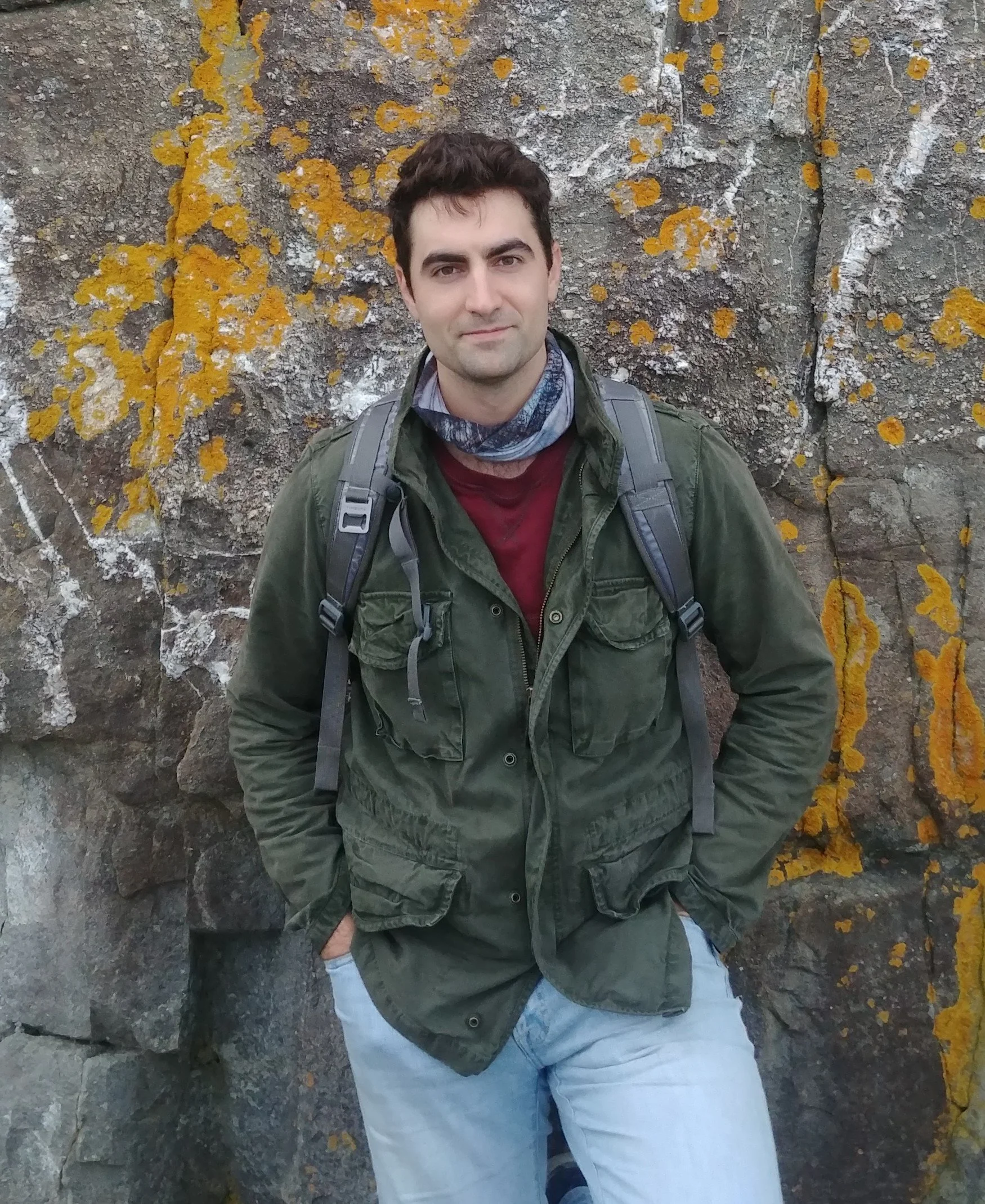
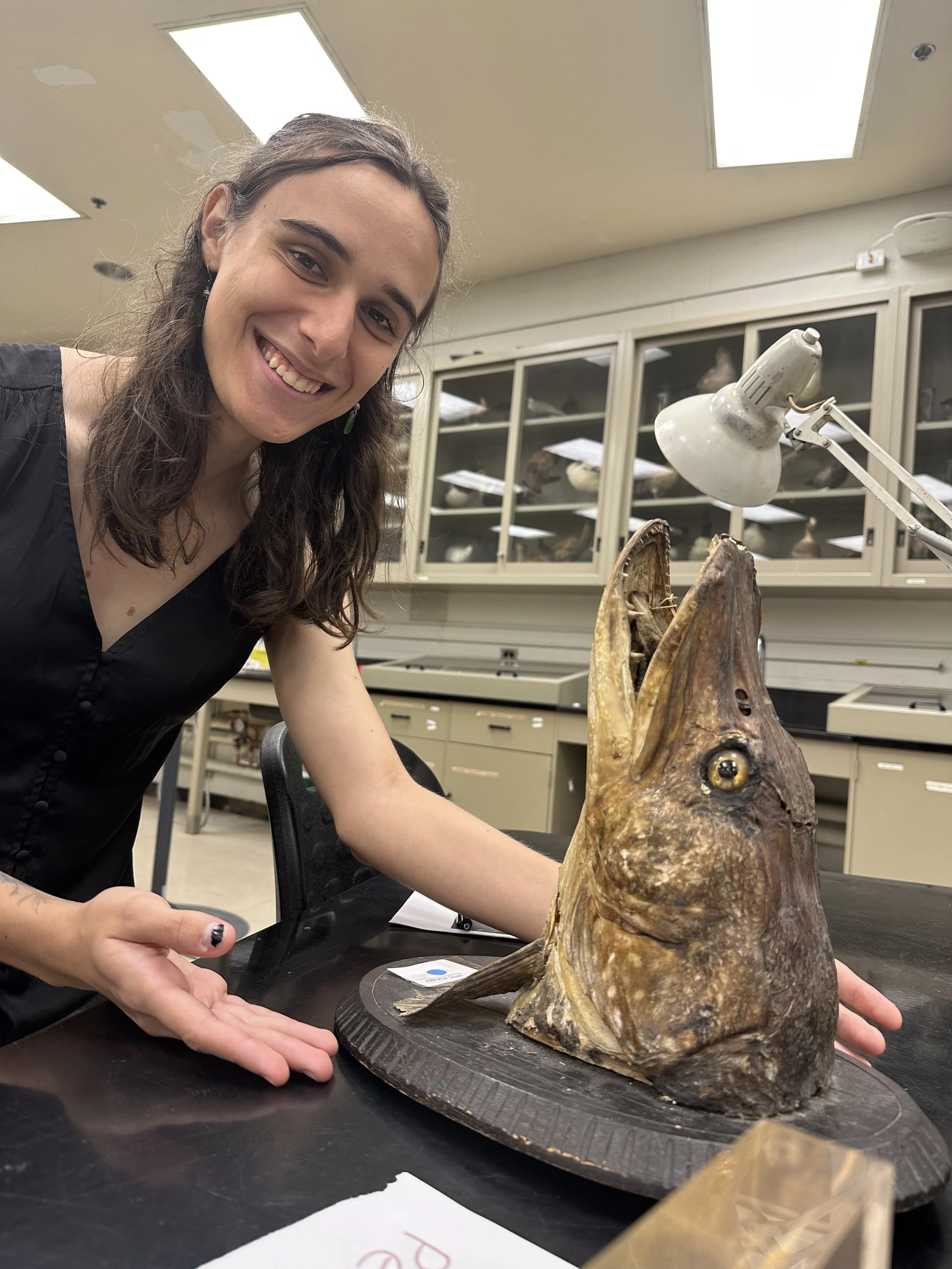
Drin's research interests include the timing of life history events and the effects of climate-driven timing shifts on community ecology. They primarily work with models and simulations of grassland ecosystems. Drin's models deal with food webs, long-term persistence and coexistence. Drin loves to code and to game in their spare time.
Drin Brown
MSc student
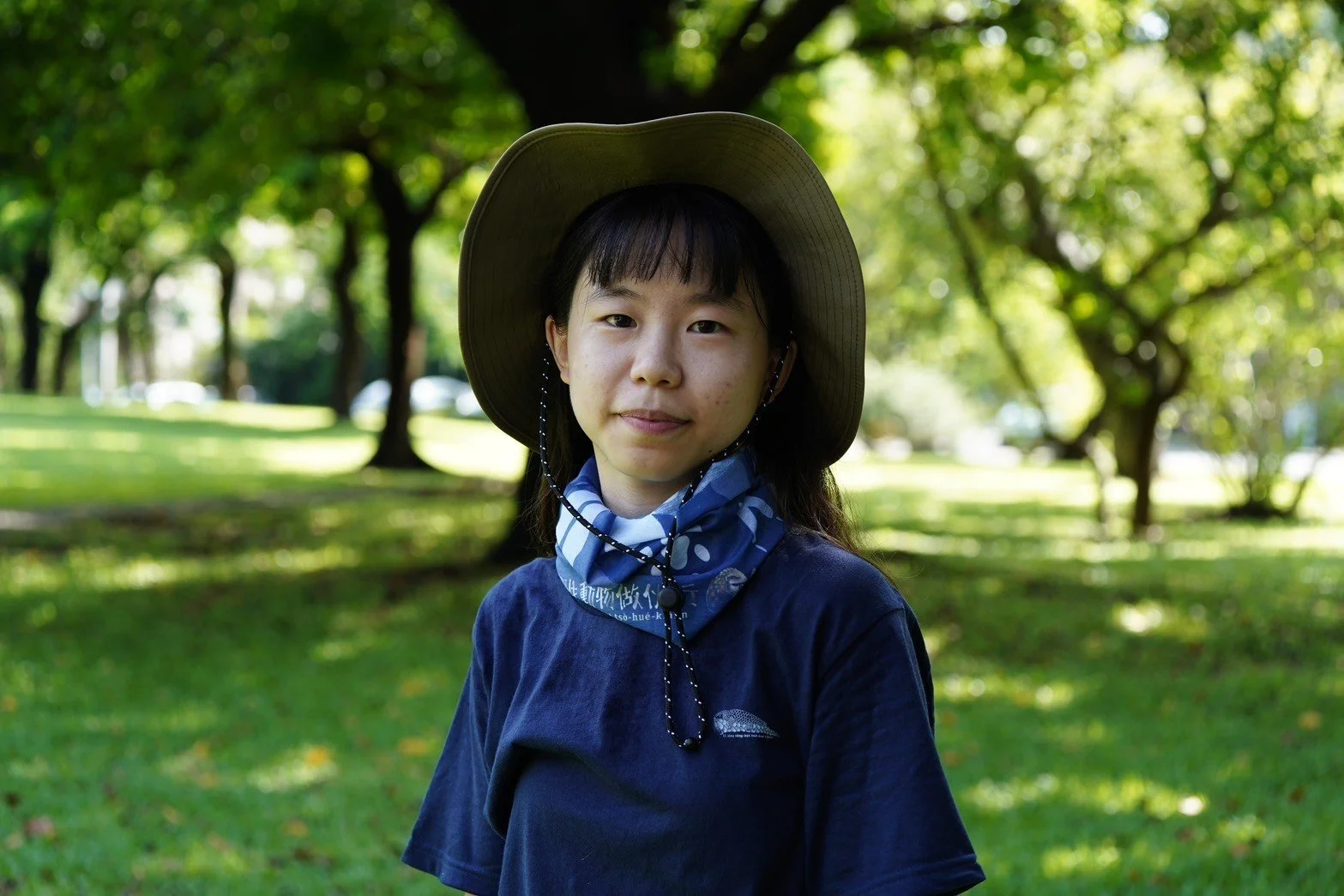
I am interested in species interactions, especially how these relationships could change with migration and the impact on different systems involved. I aim to understand the population dynamics and community structure of interacting migratory species using theoretical models. Before joining the Peller Lab, I completed my Master in National Taiwan University studying cetaceans and worked as a research assistant at Prof. Hsi-Cheng Ho’s lab applying models to understand animal movement in different context. When I am not at work, I enjoy cooking and reading historical fiction.
Yun Ho
PhD student
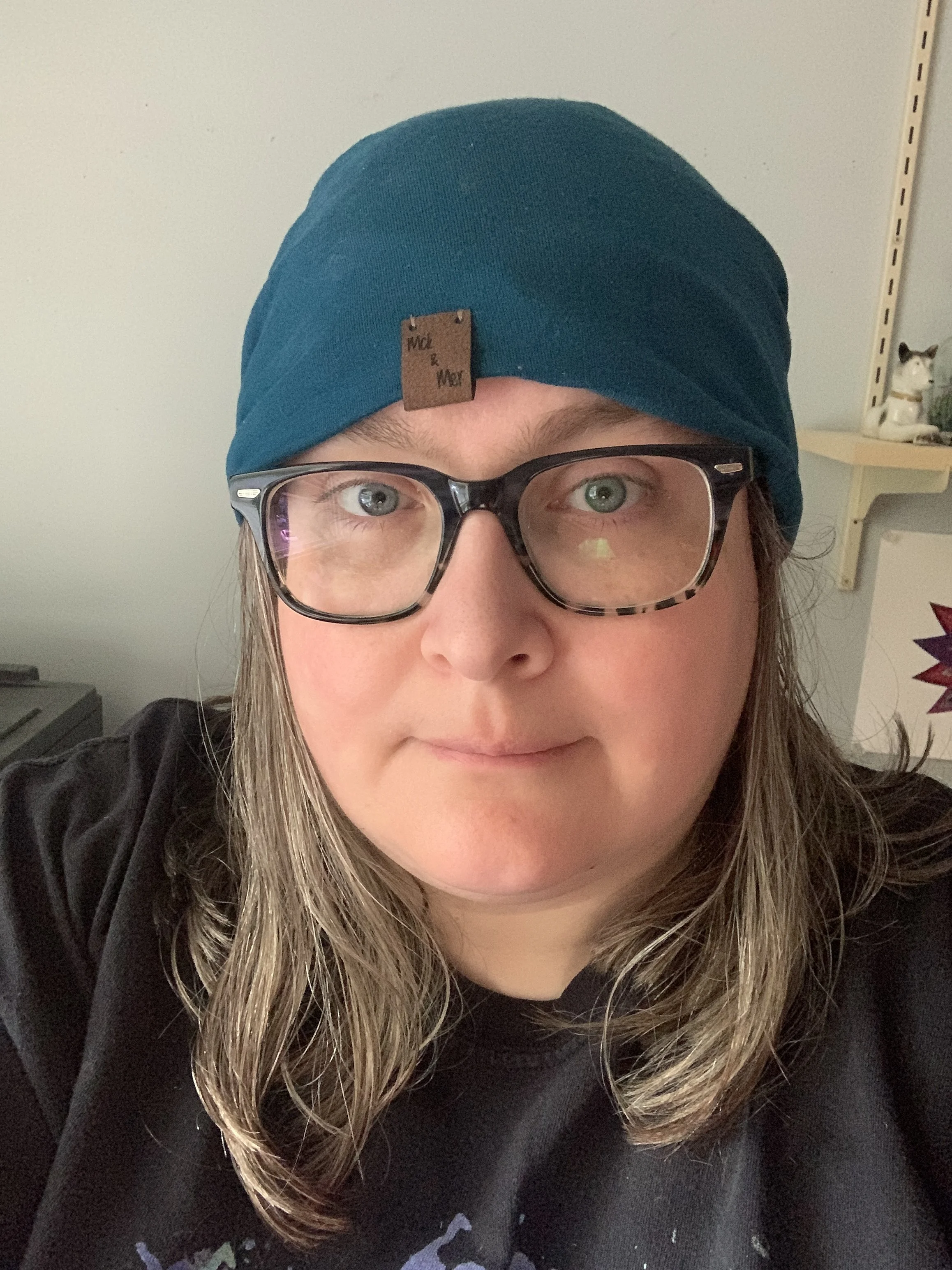
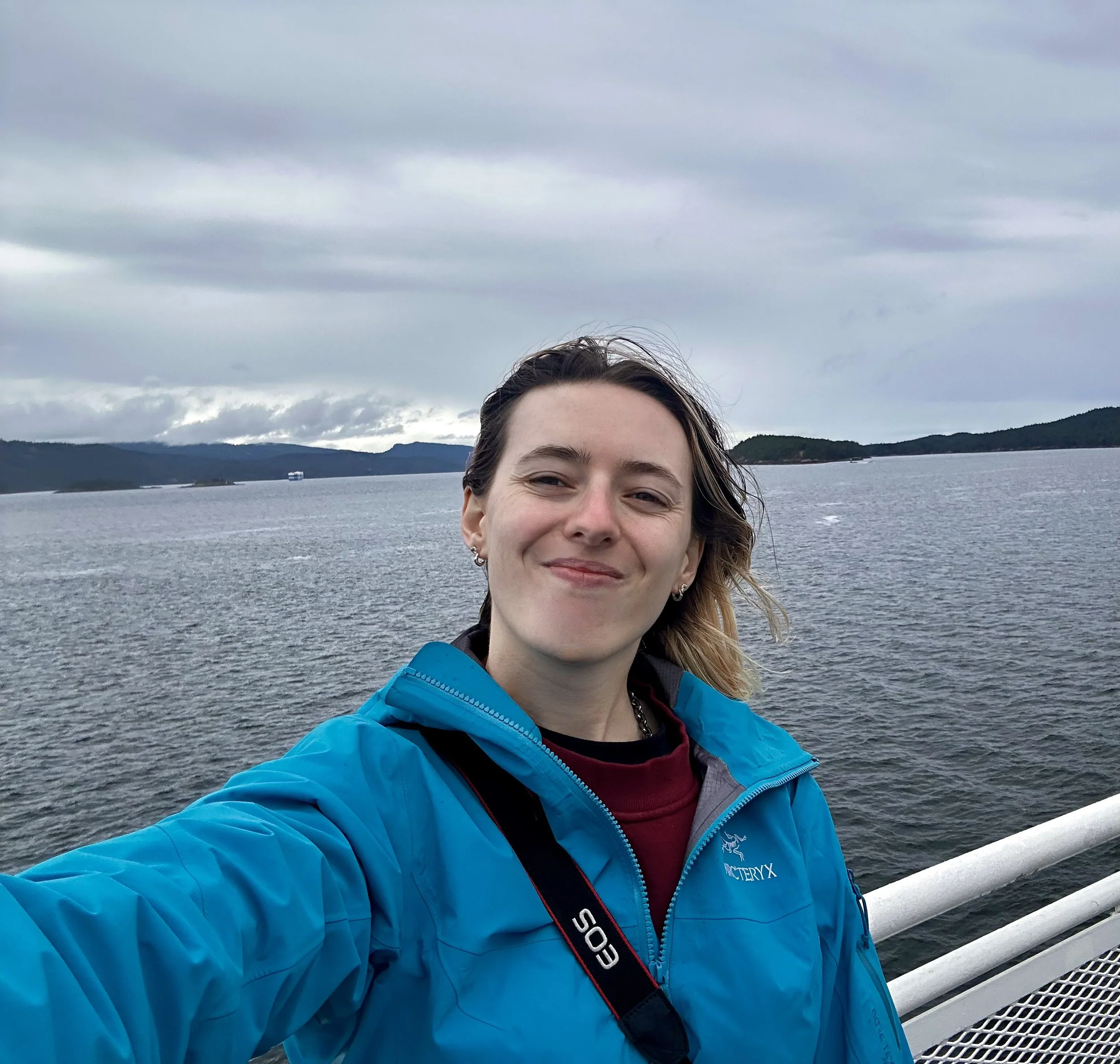
My name is Madeline, and I’m a PhD candidate with Dr. Peller looking at nutrient recycling and how animals impact these processes via their movement over varying spatial scales. I have a BSc from the University of Toronto where I studied ecology and quantitative biology. I’ve previously done research projects on community assembly of fish in Appalachian Mountain streams and how we can improve measures of beta diversity with flexible shortest path analysis. In my free time I enjoy wildlife photography, running, mountain biking, live music, and playing video games.
Madeline Ramsden
PhD student
Alumni
Emma Zongaro (EEB498 student and NSERC USRA student; 2025-2026)
Benedict Cummins-Mburu (EEB 397 student; 2025-2026)
Audri Helix Supsup (EEB 497 student; 2026)
I am a 4th year EEB specialist doing an advanced research project in the Peller Lab. My interests include trait-based ecology, the movement of nutrients and energy in ecosystems, and trophic chains; mostly in marine or freshwater systems. Currently I am working on a project regarding how the Storm Water Management Ponds prevalent in the GTA affect decomposition rates and nutrient levels in the streams that feed into and drain out of them. This project is built around cotton strip assays, which measure the decomposition rates of cellulose in streams and are vastly more standardizable than their older brother, the litter-bag assay. I spend most of my free time cooking, baking, and playing guitar or video games. – Oh, and cutting cotton strips.
Lilith Lazo Herzka
BSc student
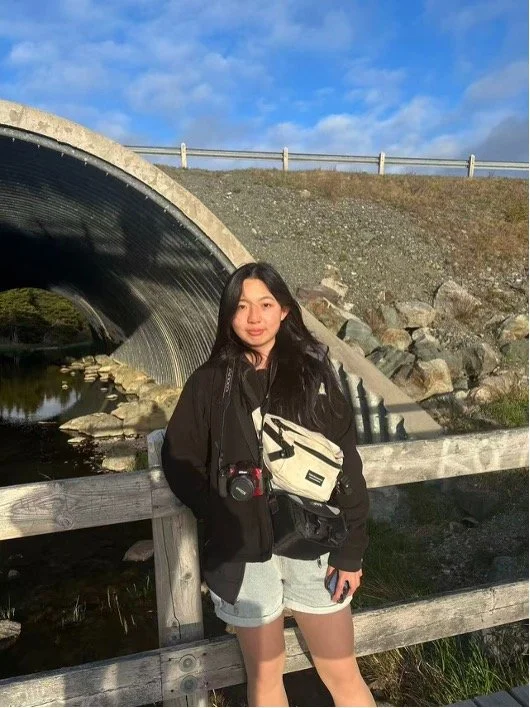
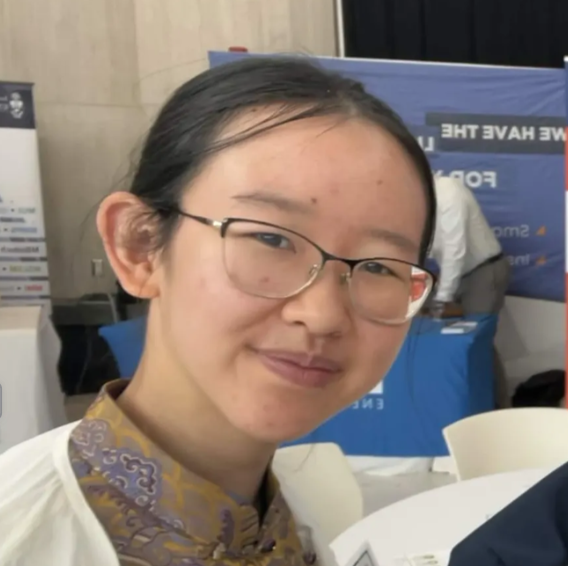
Diane Lin
BSc student
My name is Diane and I’m an EEB499 student in the Peller Lab. I’m interested in how animals, particularly migratory birds, impact the movement of nutrients between and within ecosystems. Before joining the Peller Lab, I did a research project on salinity and carbon dynamics in an urban stream. In my free time I enjoy taking photos of birds, playing the flute, reading webtoons and playing mobile games.
Lilianna Xing
BSc student
I'm Lilianna, a third year student double majoring in Peace, Conflict & Justice as well as Ecology & Evolutionary Biology! I grew up in Alberta, surrounded by enormous mountains and sprawling rivers. That's been the source of a lot of my appreciation for how beautiful and interconnected our world is. My research right now is looking at how urbanization affects decomposition in stormwater ponds. Outside of school, I spend a lot of time doing outreach and running events with different environmental organizations. Also, listening to 80's music!
Adam Meyer
Research Excellence Postdoc
Hello! I am an animal and ecosystem ecologist studying how animal populations shape, and are shaped by, environmental heterogeneity and the functioning of ecosystems. In the Peller Lab I'm developing novel theory to understand how parallel trophic and non-trophic interactions underly the roles of animals in elemental cycling (zoogeochemistry). Part of this work is focused on how the Double-Crested Cormorant, a native and recovering water bird, (re)shapes Great Lake ecosystems like the Toronto Islands through ecosystem engineering and aquatic-terrestrial nutrient flows, and how management interacts with these processes differently by modifying animal behaviour. I did my PhD in Shawn Leroux's Ecosystem Ecology Lab (Memorial University of Newfoundland) studying the many roles of moose in forest nitrogen cycling. Overall, my research can help improve ecosystem management such as restoration, rewilding, and conservation of ecosystems.